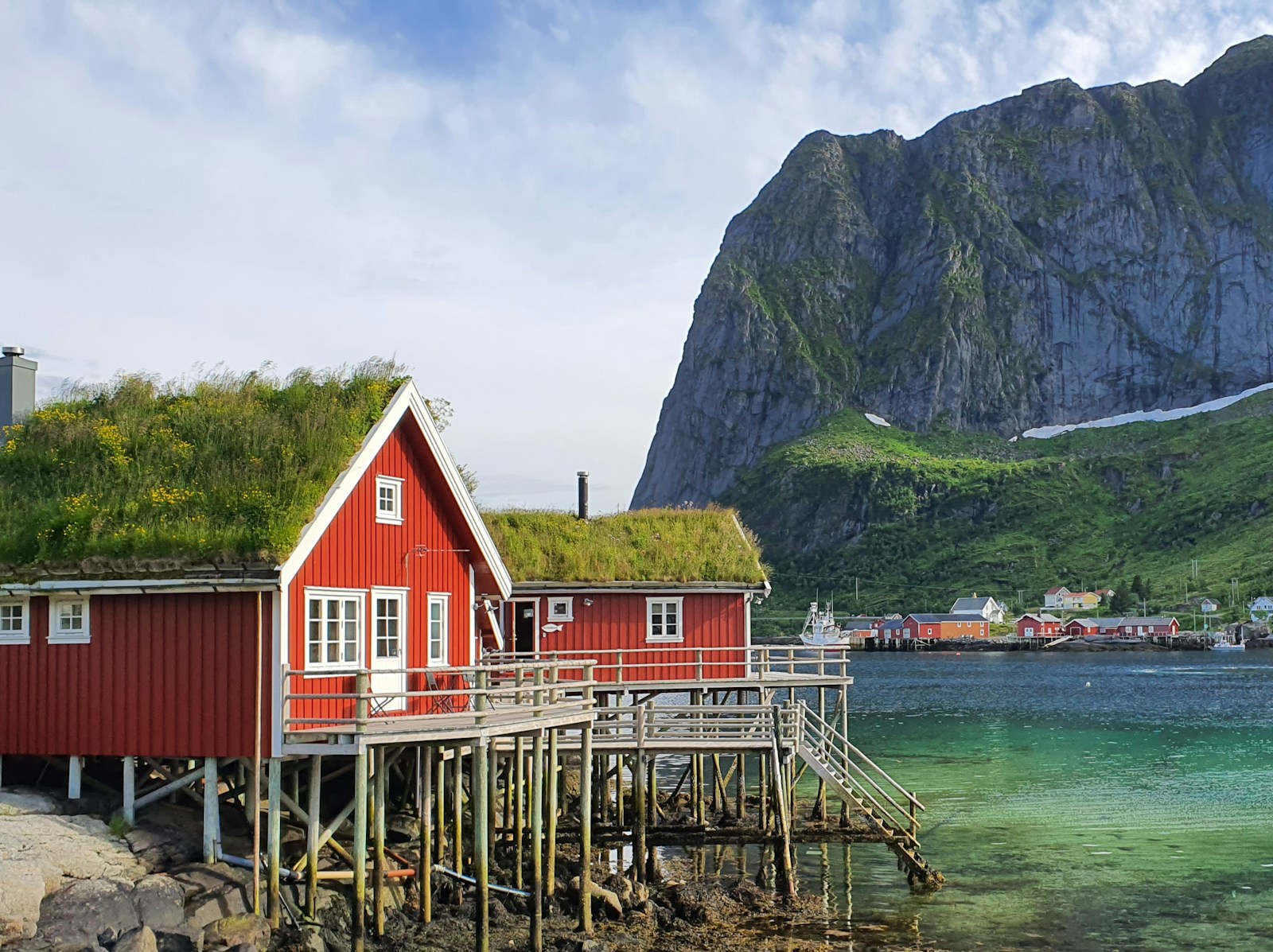
Dreaming of exploring Norway’s majestic fjords, vibrant cities, and the ethereal Northern Lights? Before you pack your bags, securing the correct tourist visa is your essential first step. Navigating visa requirements can often feel daunting, but with the right information, it becomes a straightforward part of your travel planning. This comprehensive guide is designed to clarify the Norway tourist visa requirements for 2026. We’ll walk you through the updated document checklist, financial proofs, the VFS appointment booking process, crucial processing times, and offer valuable tips to help first-time applicants avoid common pitfalls and ensure a successful application.
What is a Norway Tourist Visa (Schengen Visa)?
A Norway Tourist Visa is a Schengen Visa, allowing you to visit Norway and other Schengen member states for up to 90 days within a 180-day period. This short-stay visa is intended for tourism, family visits, or short business trips, and it does not permit employment or long-term residency.
Essential Documents for Your 2026 Norway Tourist Visa Application
The Core Checklist: What Everyone Needs
Gathering the correct documents is paramount. Any missing or incorrect item can lead to delays or even rejection. Here’s a detailed checklist of what you’ll need:
- Schengen Visa Application Form: This must be fully completed online, printed, and signed by the applicant. Ensure all information is accurate and matches your supporting documents.
- Valid Passport: Your passport must be valid for at least three months beyond your planned departure date from the Schengen area. It should have at least two blank pages for visa stamps and have been issued within the last 10 years.
- Passport-sized Photos: You will need two recent (taken within the last six months), identical, color photos that meet Schengen visa photo specifications (35x45mm, white background, clear facial features).
- Travel Itinerary: Provide a detailed plan of your trip, including confirmed round-trip flight reservations and accommodation bookings (hotel, Airbnb, or an invitation letter from a host) for your entire stay in Norway and any other Schengen countries.
- Travel Medical Insurance: This is mandatory. Your insurance policy must cover medical emergencies, hospitalization, and repatriation with a minimum coverage of €30,000 (or equivalent). It must be valid for the entire duration of your stay in the Schengen area.
- Proof of Accommodation: This can be hotel bookings, a rental agreement, or a formal invitation letter from a host in Norway. The invitation letter should include the host’s full name, address, contact details, and their relationship to you, along with a copy of their passport or ID.
- Proof of Sufficient Funds: This is crucial to demonstrate you can support yourself financially during your trip. We’ll delve deeper into this below.
- Letter of Intent (Cover Letter): A personalized letter explaining the purpose of your visit, your travel itinerary, the duration of your stay, and your commitment to return to your home country. Be concise and convincing.
- Proof of Civil Status: Documents like a marriage certificate, birth certificates of children, or a death certificate (if applicable) can be required to prove your ties to your home country.
- Visa Fee Payment Receipt: The non-refundable visa application fee must be paid, and proof of payment submitted with your application. Check the latest fee schedule on the official VFS Global or Norwegian Directorate of Immigration (UDI) website.
Demonstrating Financial Stability: Bank Statement Requirements
One of the most critical aspects of your application is proving you have enough money to cover your expenses. Norwegian authorities typically require applicants to demonstrate access to approximately EUR 50-60 per day of their stay, though this can vary slightly.
You should submit original bank statements from the last 3 to 6 months, showing a consistent income and a sufficient closing balance to cover your trip. If you have other assets, such as fixed deposits, property deeds, or investment portfolios, these can also be submitted as supplementary evidence.
If someone else is sponsoring your trip, a formal sponsorship letter is required. This letter should state their commitment to cover your expenses, along with their bank statements, proof of income, and a copy of their passport or ID. Proof of relationship between you and your sponsor is also essential.
Specific Documents Based on Your Employment Status
Your employment or student status will dictate additional documents you need to provide:
For Employees: You’ll need an employment contract, a leave approval letter from your employer stating your position, salary, and approved leave dates, and your recent pay slips (last 3-6 months).
For Self-Employed Individuals: Provide your business registration certificate, company bank statements (last 3-6 months), and income tax returns from the last two to three years.
For Students: Submit an enrollment certificate from your educational institution and a No-Objection Letter (NOL) from your school/university confirming your leave of absence and expected return.
For Retirees: Provide your pension statements for the last 3-6 months as proof of income.
The Norway Tourist Visa Application Process: Step-by-Step
1. Determine Your Application Jurisdiction
The application process, while detailed, is structured to be manageable:
Before you begin, determine which embassy, consulate, or visa application center (VAC) has jurisdiction over your application. This is typically based on your country of residence. If Norway is your main destination (where you’ll spend the most time) or your first point of entry into the Schengen area, you’ll apply through the Norwegian authorities.
2. Fill Out the Online Application Form
Most countries require you to complete the application form online through the UDI (Norwegian Directorate of Immigration) portal. Fill out all sections accurately and thoroughly. Once completed, print the form and keep the application reference number.
3. Booking Your VFS Global Appointment
After completing the online form, you’ll typically need to book an appointment with VFS Global, the authorized service provider for Norwegian visas in many countries. Visit the VFS Global website for your country, register an account, select your visa type, and choose an available appointment slot. Book your appointment early, as slots fill up quickly, especially during peak travel seasons. Aim to book 3-6 weeks in advance of your desired appointment date.
4. Attending Your Appointment: Biometrics and Document Submission
Attend your VFS Global appointment on time. You must bring all your original documents and their respective photocopies. During the appointment, your biometric data (fingerprints and a digital photograph) will be collected. This is mandatory for most applicants. You may also undergo a brief interview where you’ll be asked about your travel plans and intentions. The visa fee, if not paid online, will be collected at this stage.
5. Tracking Your Application
Once you’ve submitted your application, you can usually track its status online through the VFS Global website using your reference number. You may also receive SMS or email updates.
Understanding Processing Times for Your Norway Visa
The standard processing time for a Schengen visa, including Norway’s, is typically 15 calendar days from the date your complete application is submitted. However, this can vary significantly:
- During peak seasons (e.g., summer, holidays), processing times can extend to 30-45 days due to high demand.
- For complex cases or if additional documents are requested, processing can take up to 60 days.
It is highly recommended to apply for your visa at least 3 months before your intended travel date, but no earlier than 6 months prior, to allow ample time for processing and any unforeseen delays.
Common Reasons for Norway Tourist Visa Rejection and How to Avoid Them
Visa rejections can be disheartening, but understanding the common reasons can help you avoid them:
- Incomplete or Incorrect Documentation: This is the most frequent reason. Always double-check your checklist and ensure all documents are complete, current, and in the correct format. Missing a single page can cause rejection.
- Insufficient Funds: If you cannot convincingly prove you have enough financial means to cover your trip and return, your application will likely be denied. Ensure your bank statements clearly show sufficient funds and a stable financial history.
- Doubtful Purpose of Travel: If the visa officer suspects your true intention isn’t tourism, or if you lack strong ties to your home country, your application may be rejected. Your cover letter and itinerary must clearly outline your travel purpose and demonstrate reasons for your return (job, family, property).
- Expired or Invalid Passport: Not meeting the passport validity requirements (3 months beyond departure, 2 blank pages, issued within 10 years) will automatically lead to rejection. Verify your passport’s validity well in advance.
- Inadequate Travel Medical Insurance: If your insurance doesn’t meet the minimum coverage (€30,000) or isn’t valid for the entire Schengen area/duration, it’s a red flag. Purchase a compliant policy.
- Previous Visa Violations: If you have a history of overstaying a visa, working illegally, or violating immigration laws in any country, your application will likely face scrutiny or rejection.
- False Information or Forged Documents: Providing any misleading or fake information/documents will result in an immediate and permanent ban from applying for a Schengen visa. Always be truthful and provide genuine documents.
- Criminal Record: A criminal history can lead to visa denial, particularly if it’s considered a threat to public order or security.
If your visa is rejected, you have the right to appeal the decision. The rejection letter will typically provide instructions on how to do so and the timeframe within which you must act.
Top Tips for First-Time Norway Tourist Visa Applicants
Applying for your first Schengen visa can feel overwhelming, but these tips can smooth the process:
- Start Early: Give yourself plenty of time – ideally 3-4 months before your planned travel date – to gather documents, book appointments, and handle any unexpected issues.
- Organize Meticulously: Create a checklist and tick off each item as you prepare it. Keep all your documents neatly organized in a folder, with originals and photocopies separated.
- Be Honest and Consistent: Ensure all information across your application form, cover letter, and supporting documents is consistent and truthful. Discrepancies raise suspicion.
- Show Strong Ties to Your Home Country: Emphasize your reasons for returning. This could include stable employment, family responsibilities, property ownership, or ongoing studies.
- Write a Clear and Concise Cover Letter: This is your opportunity to directly address the visa officer. Clearly state your purpose, itinerary, and why you will return home. Keep it professional and to the point.
- Double-Check Everything: Before submitting your application, review every single document and the application form one last time. A fresh pair of eyes (a trusted friend or family member) can also help spot errors.
- Consider a Travel Agent (If Needed): While self-application is generally straightforward, if you have a complex travel history or specific concerns, a reputable travel agent specializing in visas can offer guidance.
Conclusion
Obtaining a Norway tourist visa for 2025 doesn’t have to be a complicated hurdle. By meticulously preparing your documents, understanding the application process, and being aware of common pitfalls, you significantly increase your chances of a successful application.
With your visa secured, you’ll be one step closer to experiencing the breathtaking natural beauty and rich culture that Norway has to offer. Don’t let the process deter you; instead, empower yourself with knowledge and embark on your incredible Norwegian adventure.